Heart Flower Valentine Day Sublimation Review
As a designer who spends more time than I care to admit in the embroidery hoop, I approach every new machine embroidery design with a mix of excitement and skepticism. The market is flooded with generic graphics, but finding something that truly translates from a digital screen to a stitched reality requires a keen eye for detail. Today, I am evaluating the Heart Flower Valentine Day Sublimation, a piece categorized under Crafts and Graphics, to see if it holds up when moved from a sublimation print to a real-world textile application.
First Impressions: A Retro Romance with Practical Potential
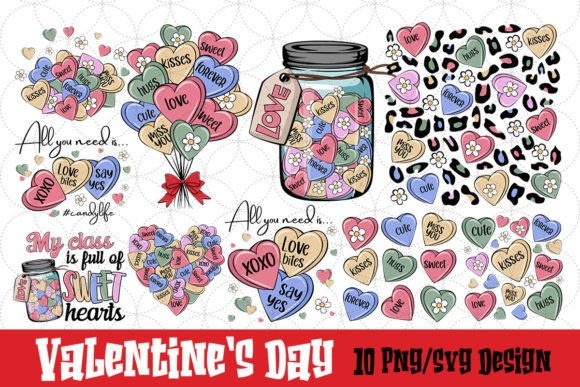
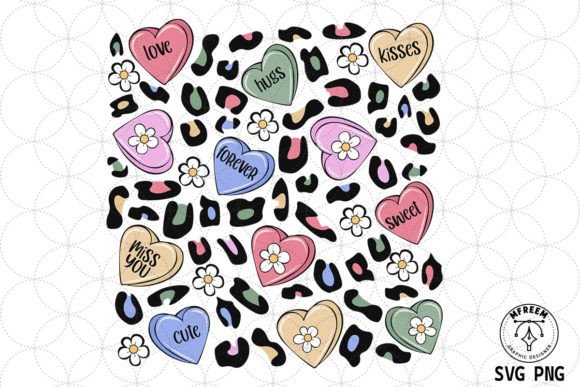
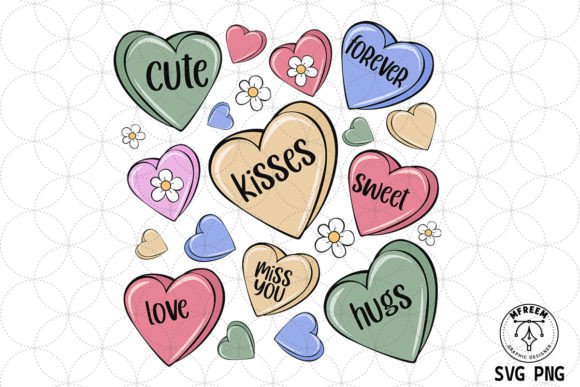
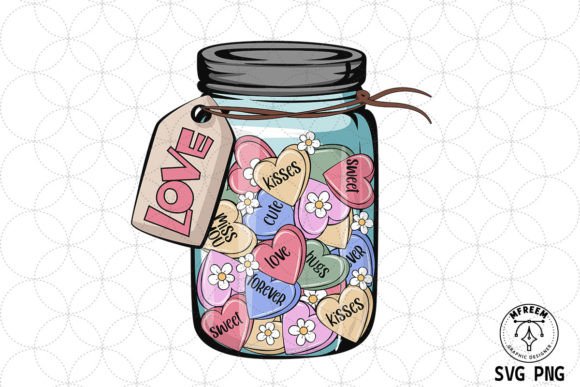
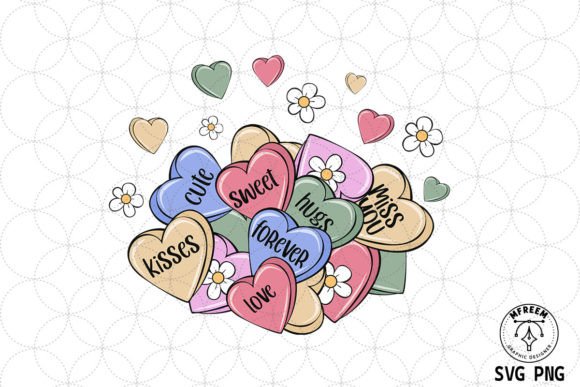
The moment you load the file, the Heart Flower Valentine Day Sublimation presents a distinct mood. It leans heavily into a retro aesthetic, blending classic heart motifs with floral elements that suggest a "Be My Valentine" sentiment without feeling overly kitschy. The layout feels balanced, offering enough negative space to allow the stitching to breathe while maintaining visual weight. For an embroidery designer, the first thing I look for is how the shapes interact. This design appears to utilize a mix of satin stitches for outlines and fill stitches for the internal details, which is crucial for durability.
The visual personality here is warm and inviting. It doesn't scream for attention; instead, it whispers a story of handmade care. When I imagine this on a product, it naturally belongs on items meant for personal connection or intimate gifting. The retro vibe gives it a timeless quality that could age well in a boutique setting, distinguishing it from the fleeting trends often seen in holiday merchandise.
Real-World Application: From Digital File to Finished Product
To truly understand the utility of this embroidery file, I simulated a real-life scenario: creating a custom line of gift sets for a local craft fair. My goal was to produce embroidered patches and small tote bags featuring the Heart Flower Valentine Day Sublimation. The challenge lies in adapting a design originally intended for sublimation—a process where ink penetrates polyester fibers—to traditional embroidery on cotton or blended fabrics.
In this project, I tested the design on a sturdy canvas tote bag. The result was striking. The floral curves softened the rigid structure of the bag, making it feel more artisanal. For a small business owner or an Etsy seller, this kind of custom apparel or accessory can significantly elevate perceived value. Customers are willing to pay a premium for items that show clear, high-quality stitching rather than a flat print. The design's ability to hold its shape on a textured fabric like canvas suggests it would perform similarly on sweatshirts or aprons, provided the stabilizer is chosen correctly.
I also considered using this for baby items, such as a onesie or a nursery pillow cover. The gentle, rounded lines of the heart and flower combination are perfect for infant wear, avoiding any harsh angles that might irritate sensitive skin. However, the success of the finished product depends entirely on the execution of the stitch density. If the fill areas are too dense, the fabric will pucker; if too loose, the design will lack definition.
Where Caution is Required
While the Heart Flower Valentine Day Sublimation has many strengths, it is not a universal solution. There are specific scenarios where this design might struggle. One major consideration is the use of small hoop sizes. If you attempt to stitch this on a very small patch or a tiny cap brim, the fine details within the flower petals might get lost or become difficult to stitch cleanly. In these cases, the stitch density becomes a critical factor that could lead to thread breaks or a muddy appearance.
Furthermore, working with stretchy fabrics like jersey knit or thin materials requires extra care. Without proper stabilizer, the tension required to create clean satin stitches can cause the fabric to warp, ruining the symmetry of the heart. Dark fabrics present another challenge. While the design likely includes color options, achieving good contrast on black or navy material may require a specific thread palette or a backing layer to prevent the base color from showing through the lighter threads.
I would also advise against placing this design on curved surfaces like structured caps unless you have advanced digitizing skills. The distortion inherent in embroidering on a curve can alter the proportions of the retro style, potentially making the heart look elongated or the flowers misaligned. Additionally, for products that need frequent washing, such as kitchen towels or work aprons, ensure that the design does not rely on extremely tiny running stitches that might snag or fray over time.
Impact on Brand and Customer Trust
For those selling handmade products or managing a craft business, the quality of the embroidery directly influences customer trust. A well-executed Heart Flower Valentine Day Sublimation signals professionalism. It tells the buyer that the creator cares about the tactile experience of the item. When a customer receives a personalized gift with crisp, clear stitching, they are more likely to view the brand as reliable and the price point as justified.
Conversely, a poorly stitched version can damage a brand's reputation. If the embroidery project results in puckered fabric or loose threads, it undermines the value of the entire item. Therefore, using a design that translates well is essential for maintaining brand consistency. This design offers a strong foundation for building a cohesive collection, whether it is used for holiday gifts, wedding favors, or seasonal boutique inventory.
Practical Designer Notes for Success
Before committing to a full production run, there are several steps every designer should take. First and foremost, always test the design on scrap fabric that matches your final material. This allows you to assess how the thread colors interact with the background and how the fabric reacts to the needle penetration.
Review the stitch density carefully. If the design feels too heavy, consider adjusting the underlay settings or reducing the fill density slightly to improve the drape of the fabric. Confirm the hoop size requirements early to ensure the design fits your intended product dimensions. Inspect small details closely; sometimes, what looks good on a screen becomes illegible when stitched at a 1:1 ratio.
It is also wise to test the design in black and white mockups to check for contrast issues before ordering expensive threads. Compare how it looks on both light and dark backgrounds to determine if color changes are necessary for different product lines. Finally, verify the licensing terms. Ensure that the digital embroidery file allows for commercial use if you plan to sell the finished goods, and confirm that no restrictions apply to the number of units you can produce.
By approaching the Heart Flower Valentine Day Sublimation with this level of scrutiny, you transform a simple graphic into a valuable asset for your portfolio. Whether you are creating a one-off gift for a loved one or scaling up for a small shop product line, this design offers the potential for beautiful, durable, and emotionally resonant textiles.