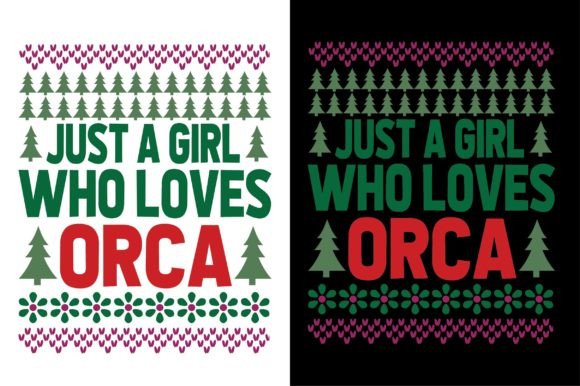
Just a Girl Who Loves Orca: Real-World Embroidery Review
As someone who spends more time staring at stitch density charts and fabric swatches than sleeping, I don’t just look for "cute" designs. I look for viability. When a new file lands in my inbox, my first question is always practical: Will this hold up on the hoop? Will it sell? And does it translate well from screen to thread? That is exactly how I approached evaluating the Just a Girl Who Loves Orca design. Marketed as a retro style SVG-PNG perfect for the upcoming Christmas season, this piece sits at the intersection of trending aesthetics and functional craft business utility. Here is my honest breakdown of how this embroidery project performs when you move it out of the digital realm and into real-world application.
First Impressions: Mood and Visual Personality
The moment you load Just a Girl Who Loves Orca, the retro vibe hits hard. We are seeing a surge in nostalgic, mid-century inspired graphics right now, and this design leans into that trend without feeling dated. The visual personality is playful yet grounded. It isn’t overly intricate or fussy, which is a huge green flag for machine embroidery. Complex, tiny details often get lost in the stitching process or cause thread breaks, but this design seems to rely on bold shapes and clear lines.
For an Etsy seller or small shop owner, this distinction matters. Customers scrolling through mobile feeds respond quickly to high-contrast, easily readable imagery. The theme of the orca—often associated with strength, family, and oceanic beauty—combined with the "just a girl" narrative creates a strong emotional hook. It feels personal. It feels like a statement piece rather than just a decorative pattern. This makes it an excellent candidate for custom apparel where the wearer wants to express identity.
Real-Life Application: From Screen to Stitch
I decided to test the versatility of this machine embroidery design by imagining it across several common product categories. In the world of handmade goods, flexibility is currency. A design that only works on one specific item limits your market reach.
Apparel and Sweatshirts
The most obvious use case here is holiday-themed knitwear. With Christmas approaching, sweatshirt embroidery is a top-tier revenue stream. The retro aesthetic pairs beautifully with heather grey, cream, or even deep navy fleece. Because the design has a balanced composition, it likely centers well on the chest or offers a nice graphic presence on the back. For boutique branding, placing this on a high-quality heavyweight sweatshirt elevates the perceived value of the finished product. It moves beyond a cheap souvenir into a wearable art piece.
Totes and Everyday Carry
A tote bag design is another natural fit. Canvas totes are durable, forgiving fabrics that handle embroidery stitches very well. The contrast between the sturdy canvas texture and the smooth threads of the orca graphic creates a tactile appeal that customers love. If you are preparing inventory for craft fairs, these items are impulse-buy friendly. The message is clear, the image is striking, and the utility is undeniable.
Holiday Gifts and Nursery Decor
Because the prompt mentions this is perfect for the upcoming Christmas, we have to talk about gifting. Personalized gifts carry a premium price point. Imagine this design embroidered on a baby onesie or a nursery wall hanging. The softness implied by the retro style makes it suitable for baby embroidery. However, this requires careful consideration of thread choice—using softer, matte threads can enhance the gentle mood of the design, making it a cherished keepsake rather than just a seasonal decoration.
Where Caution Is Required
No design is universal, and Just a Girl Who Loves Orca is no exception. There are specific scenarios where this file might struggle if you aren't prepared.
- Small Hoop Sizes: If you are working with limited hoop space, you must ensure the design scales down without losing its character. Tiny lettering or fine details in the "retro" elements could become muddy if the hoop size is too restrictive. Always preview the scaled version before committing to the final stitch-out.
- Textured and Stretchy Fabrics: While canvas and cotton are safe bets, applying this to highly textured fabrics (like boucle wool) or stretchy synthetics can distort the shape. The stabilizer becomes critical here. You need a stabilizer that matches the fabric's behavior—cut-away for knits, tear-away for wovens—to prevent puckering.
- Dense Stitch Areas: If the design uses heavy fill stitch sections, testing on scrap fabric is non-negotiable. Dense areas can create a stiff hand-feel, which might be uncomfortable for a t-shirt or a child’s garment. Check the stitch density to ensure the backing doesn't show through the front.
- Curved Surfaces: Attempting to embroider this on a cap or a curved pillow corner requires advanced technique. The flat, retro layout might not follow the curvature naturally, leading to distortion. Stick to flat surfaces for the best results unless you are experienced in 3D embroidery.
Practical Designer Notes for Execution
To get the most out of this embroidery file, I recommend following a strict pre-production checklist. This protects your reputation and ensures customer satisfaction.
- Test on Scrap Fabric: Never run a full production run without a test stitch. Use the exact fabric and thread colors you plan to sell with. This reveals issues with tension, registration, or color clash immediately.
- Check Thread Contrast: Retro designs often rely on specific color palettes. Ensure your thread colors provide enough contrast against your chosen background. Low contrast can make the design look washed out and unprofessional.
- Inspect Small Details: Zoom in on the digital preview. Are there any isolated pixels or tiny lines that might not stitch out cleanly? If so, consider simplifying the design digitally or adjusting the digitization settings.
- Black and White Mockup: View the design in grayscale. This helps you assess the balance of light and dark areas. If the design relies too heavily on subtle shading, it may lose impact when converted to thread.
- Confirm Licensing: Before listing this as a small shop product or selling the finished items commercially, verify the license terms. Some digital embroidery files are for personal use only. Commercial licenses allow you to sell the physical goods, but rarely allow you to resell the digital file itself.
Final Verdict: Does It Add Value?
From a strategic standpoint, Just a Girl Who Loves Orca is a smart addition to a modern crafter’s library. It taps into current trends (retro/nature) while remaining timeless enough to sell year-round, though its Christmas marketing angle gives it a timely boost. For the craft business owner, it offers variety across multiple product types—from personalized gift items to commercial embroidery stock.
The key to success with this design lies in execution. Choose high-quality blanks. Invest in good stabilizers. And treat the digitization phase with respect. When done correctly, this design transforms from a simple SVG into a tangible, profitable handmade product that resonates with buyers who appreciate both style and substance. It’s not just an image; it’s a foundation for a successful line of design assets ready for the market.