Thankful for Everything Retro: A Designer’s Review
When I sit down to evaluate a new digital asset for my embroidery studio, I am rarely looking for just another pretty picture. As a designer who frequently produces custom apparel and boutique merchandise, I need to know if a design will hold up under the needle, how it translates from screen to fabric, and whether it adds genuine value to a finished product. Recently, I downloaded the Thankful for Everything Retro design to test its viability for upcoming holiday collections. This Retro Thanksgiving SVG Design promises versatility across multiple formats, including SVG, EPS, DXF, JPG, and PNG. But does it deliver on the promise of being a practical tool for both cutting machines and embroidery workflows? Here is my honest breakdown based on real-world application.
First Impressions and Visual Personality
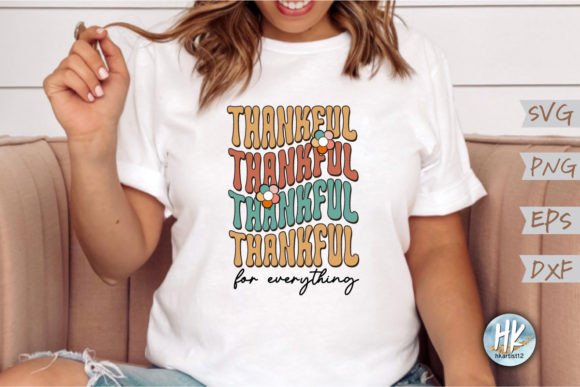
The moment you open the file folder, the aesthetic of Thankful for Everything Retro stands out. It taps into that warm, nostalgic vibe that defines modern seasonal decor. The typography feels bold yet approachable, suggesting a mood that is cozy, grateful, and distinctly autumnal. For an embroidery project, this visual personality is crucial. It doesn’t scream for attention with chaotic elements; instead, it offers a clean, confident statement that reads well even from a distance.
In terms of layout, the design balances negative space with strong letterforms. This is a smart choice for a machine embroidery design. Designs that are too cluttered often lose definition when stitched, especially on curved surfaces or textured fabrics. By keeping the core message clear, Thankful for Everything Retro ensures that the recipient understands the sentiment immediately. It feels like a design meant to be worn or displayed proudly, rather than hidden away. This clarity directly impacts customer trust; buyers want products that look professional and intentional, not rushed or overly complex.
Real-World Application: From Screen to Stitch
I put this design through its paces by simulating several common use cases. My primary focus was creating a line of personalized gifts for the fall season. Specifically, I envisioned this design on a heavy cotton canvas tote bag and a soft fleece sweatshirt.
On the tote bag design scenario, the retro font provides a striking contrast against the natural or neutral tones of canvas. If you were to digitize this for embroidery, the thick strokes of the letters would likely translate into a robust satin stitch or a dense fill stitch, giving the bag a tactile, high-quality feel. It elevates a simple utility item into a handmade product with character. Shoppers at craft fairs or browsing Etsy listings are drawn to items that feel substantial. This design delivers that sense of weight and quality visually, which often translates to perceived value in the final purchase.
For sweatshirt embroidery, the retro theme fits perfectly with the current trend of cozy, statement pieces. Imagine this stitched in cream thread on a forest green or mustard yellow hoodie. The color palette possibilities are endless. However, as a reviewer, I must note that the success here depends heavily on your thread colors and stabilizer choice. Sweatshirts can be bulky, so ensuring the design isn’t too large for the available stitching area is key. Thankful for Everything Retro scales well, but always check the proportions before committing to production.
Strategic Considerations for Small Business Owners
For the Etsy seller or small shop product creator, versatility is money. The fact that this download includes an SVG alongside other formats makes it a multi-purpose asset. You can use the vector files for print-on-demand mockups, creating printable mockup images that showcase the design on various garments without actually sewing them first. This allows you to list design assets or preview items in your craft business inventory quickly.
Furthermore, the inclusion of DXF and EPS files means this isn’t limited to embroidery alone. It can be used for vinyl cutting on hats, caps, or kitchen towels. This cross-medium compatibility increases the lifespan of the asset in your library. You aren’t buying a one-off solution; you are acquiring a versatile graphics package that supports multiple revenue streams, from custom apparel to paper products.
However, commercial viability also hinges on presentation. When listing this as a small business merchandise item, ensure your photos highlight the texture. Embroidery is tactile. A flat image doesn’t convey the depth of the stitches. Use close-ups to show how the running stitch or applique design elements (if applicable in your digitization) interact with the fabric weave. This transparency builds brand consistency and sets accurate expectations for buyers.
Where Caution Is Required
No design is perfect for every surface. While Thankful for Everything Retro is robust, there are specific scenarios where you should proceed with care. Avoid using this design on extremely small hoop sizes where fine details might get lost or where the density becomes too stiff. If you plan to embroider this on stretchy fabric like jersey knit without proper stabilizer support, you risk puckering, which ruins the clean lines of the retro font.
Additionally, be mindful of dark fabric choices. If the original design relies on light threads for contrast, ensure your digitization accounts for adequate coverage. On dark backgrounds, you may need a underlay or a different thread strategy to prevent the fabric color from showing through. Also, consider the end-user experience. Products that require frequent washing, such as baby clothes or dish towels, benefit from designs with fewer loose ends. While this design appears relatively clean, always inspect the digitization for any decorative accents that might snag or fray over time.
Practical Designer Notes for Execution
Before you rush into production, follow these essential steps to ensure your finished product looks professional:
- Test on scrap fabric: Always run a test stitch on the same type of material you plan to sell. This reveals how the fabric texture interacts with the thread.
- Check stitch density: Review the digitization file for areas of excessive density. Too much thread in one spot can cause needle breaks or distortion.
- Confirm hoop size: Ensure the design dimensions fit comfortably within your machine’s maximum hoop size, leaving room for mounting.
- Inspect small details: Zoom in on the corners of the letters. Are they sharp? Do they require tiny, fragile stitches that might break?
- Use proper stabilizer: The right stabilizer is invisible but vital. It keeps the embroidery file stable during stitching, preventing movement that blurs the design.
- Verify licensing: Before selling commercial embroidery items, double-check the license agreement included in the zipped folder. Some designs allow personal use only, while others permit commercial sales of finished goods.
Final Verdict
Thankful for Everything Retro is a solid addition to any crafter’s or designer’s library. It captures the essence of the season with a style that feels timeless rather than trendy. Its versatility across formats makes it valuable for both digital sellers and physical makers. Whether you are creating a heartfelt holiday gift for a family member or stocking shelves with apparel decorators-grade goods, this design provides a reliable foundation. It respects the medium, communicates clearly, and offers the visual appeal necessary to engage buyers. Just remember: the best results come from careful preparation, appropriate materials, and a keen eye for detail. When executed correctly, this design transforms from a simple vector into a cherished piece of wearable art.