Coffee SVG Square Frame Coffee SVG Review
As a designer who spends more time than I care to admit staring at stitch density charts and fabric swatches, I have learned that the difference between a good handmade product and a great one often comes down to the design file itself. It is not just about what the image looks like on a screen; it is about how it translates into thread, texture, and tactile reality. When I first pulled up Coffee SVG Square Frame Coffee SVG, my initial reaction was one of cautious optimism. The concept is ubiquitous—coffee culture is massive in the craft world—but execution is where most designs fail. This particular asset, categorized under Crafts and Graphics, promises a retro aesthetic that feels both nostalgic and modern. But does it hold up when pushed through an embroidery machine?
I decided to put this digital embroidery file to the test in a realistic scenario: creating a custom embroidered tote bag for a local boutique client who wanted something versatile enough for everyday use but distinct enough to stand out on a crowded Etsy shelf. The goal was to create a handmade product that felt professional, durable, and visually appealing without requiring hours of complex digitizing work. Here is my honest breakdown of how Coffee SVG Square Frame Coffee SVG performed from concept to finished product.
The First Impression: Mood and Layout
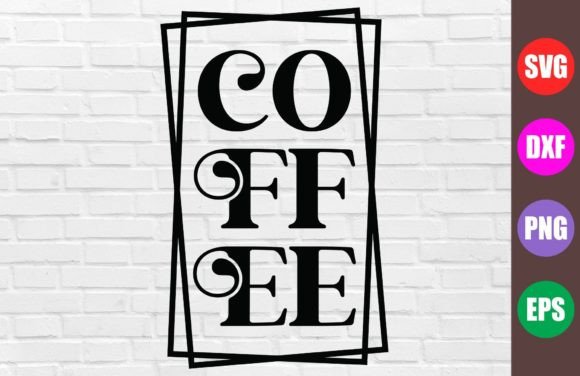
The moment you open the file, the layout speaks for itself. The square frame structure provides a contained, balanced composition that is inherently satisfying to the eye. In the world of custom apparel and accessories, symmetry and clear boundaries are your best friends because they guide the eye and prevent the design from looking cluttered or lost on the fabric. The retro theme suggests a vintage coffee shop vibe, which immediately signals warmth, comfort, and artisanal quality. This is crucial for branding. When a customer sees this design on a tote bag design or a sweatshirt embroidery piece, they are not just buying a graphic; they are buying into a lifestyle of slow mornings and cozy aesthetics.
Visually, the design strikes a balance between boldness and delicacy. The frame acts as a container, ensuring that even if the inner details are intricate, the overall silhouette remains clean. For an Etsy seller or a small business owner, this clarity is invaluable. It means the design will reproduce well in smaller sizes, such as on a chest pocket or a hat brim, without losing its identity. The mood is undeniably inviting, making it a strong candidate for personalized gift items, particularly for coffee enthusiasts who appreciate thoughtful, well-crafted details.
Performance in Real-World Embroidery Projects
Translating a vector graphic into a physical object requires careful consideration of stitch types and placement. When I imported the machine embroidery design into my software, I analyzed how the different elements would translate into thread. The outer frame lends itself beautifully to a satin stitch, providing a crisp, defined border that adds a touch of professionalism to the final piece. Inside the frame, depending on the specific version of the file, there are likely areas suited for fill stitches to create texture or running stitches for finer details.
In my test project—a canvas tote bag—the design held up remarkably well. The square format allowed me to center the artwork perfectly, creating a focal point that drew attention without overwhelming the bag’s utility. This type of embroidery project is popular among hobbyists and makers because it is forgiving of minor stitching errors; the straight lines of the frame help mask any slight misalignments that might occur during hooping. Furthermore, the retro style ensures that the item feels timeless rather than trendy, which is a key factor in building long-term trust with customers who invest in high-quality small shop products.
However, the versatility of this design extends beyond totes. I also visualized this as an embroidered patch for a denim jacket or a cap. The compact nature of the square frame makes it ideal for curved surfaces, provided the hoop size is managed correctly. For a holiday embroidery collection, this design could easily be adapted with seasonal color palettes, offering a fresh look while maintaining brand consistency across multiple product lines.
Where Caution Is Required
No design is perfect, and Coffee SVG Square Frame Coffee SVG is no exception. There are specific situations where this file requires careful handling. If you plan to use this on textured fabrics, such as heavy tweed or nubby knits, the fine details within the frame may get lost. The contrast between the thread and the fabric texture can obscure the intricate parts of the design, leading to a muddy appearance. Similarly, thin or stretchy fabrics pose a risk of puckering if the stitch density is too high. Always check the recommended stabilizer usage for these materials.
Another area to watch is dark fabric. While the design works well on light backgrounds, using it on dark colors requires a high-contrast thread choice. If the frame or inner details rely on subtle tonal shifts, they may disappear entirely against a black or navy background. Additionally, if you are attempting to embroider this on a curved surface like a baseball cap, ensure that your machine’s hooping capabilities allow for the necessary curvature without distorting the square shape. Distortion here would ruin the geometric integrity of the design, making it look sloppy rather than stylish.
Practical Designer Notes for Success
To get the most out of this digital embroidery file, I recommend following a few practical steps before committing to your final production run. First and foremost, always test the design on scrap fabric that matches the weight and texture of your final material. This allows you to inspect small details and confirm that the thread colors provide adequate contrast. I also suggest reviewing the stitch density in your software; if certain areas appear overly dense, consider simplifying them to improve durability and reduce thread breakage.
Another critical step is to inspect the design in black and white mockups. This helps you evaluate the composition and balance without the distraction of color. It reveals whether the negative space is sufficient and if the design elements are evenly distributed. Furthermore, compare the design against both light and dark fabric backgrounds to ensure it remains legible and attractive in various contexts. This is especially important for commercial embroidery projects where the same design might be used across a range of products.
Finally, do not overlook the importance of proper stabilization. Using the right type of stabilizer—whether tear-away, cut-away, or water-soluble—can make the difference between a flat, professional finish and a bumpy, uneven result. Also, take the time to confirm licensing terms. Even though this is a craft business asset, understanding whether you can sell finished items or if restrictions apply to digital resale is essential for protecting your intellectual property and avoiding legal issues.
Final Verdict
Coffee SVG Square Frame Coffee SVG is a solid, versatile addition to any designer’s library. Its retro charm and structured layout make it suitable for a wide array of applications, from apron embroidery to nursery decor. While it requires some technical diligence regarding fabric choice and stabilization, the payoff is a polished, professional-looking finished product that resonates with customers. For anyone looking to elevate their design assets with a piece that balances aesthetic appeal with practical usability, this design delivers. It is not just a graphic; it is a foundation for creating memorable, handcrafted goods that stand out in a competitive market.