Heavy Metal and Black Coffee Review
As a designer who spends half my life staring at stitch charts and the other half troubleshooting tension issues on vintage machines, I don’t just buy embroidery files; I interrogate them. When I first pulled up Heavy Metal and Black Coffee, I wasn’t looking for a pretty picture. I was looking for a viable asset for my small business inventory. The description promises a retro coffee SVG perfect for t-shirts, mugs, and cards, but as someone who bridges the gap between digital graphics and physical machine embroidery, I need to know how that translates when thread replaces pixels.
This review breaks down exactly how this design holds up in real-world production scenarios, from custom apparel to personalized gifts. Whether you are an Etsy seller scaling your shop or a hobbyist making a unique gift for a friend, here is my practical judgment on whether Heavy Metal and Black Coffee deserves a spot in your library.
The First Impression: Mood and Visual Personality
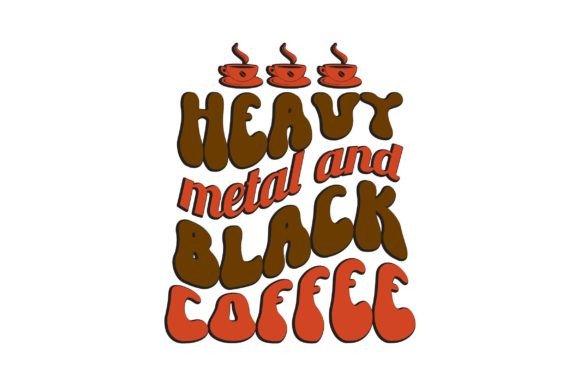
The immediate takeaway from Heavy Metal and Black Coffee is its bold, unapologetic aesthetic. It taps into that specific niche where rugged "heavy metal" imagery meets the cozy, everyday ritual of black coffee. For crafters and boutique branding, this is a powerful combination. It creates a mood that is both edgy and comforting, which is a rare balance to strike in a single composition.
Visually, the layout feels balanced. The theme suggests strong lines and high contrast, which is crucial for embroidery. Unlike delicate floral patterns that can get lost in fabric texture, this design commands attention. The visual personality screams "statement piece." It naturally belongs on items that are meant to be seen and worn with pride—think heavy cotton tees, durable tote bags, or kitchen towels that see daily use. It doesn’t feel like a filler design; it feels like a focal point.
Real-World Application: Where This Design Shines
I put Heavy Metal and Black Coffee through its paces by imagining it on various products. Here is where it performs best:
- Custom Apparel and Sweatshirts: This is the sweet spot. The retro vibe pairs perfectly with heavyweight fabrics. On a black or charcoal sweatshirt, the design pops without feeling overwhelming. It works equally well as a large chest print or a smaller left-chest logo for a more subtle approach.
- Tote Bag Design: Canvas totes are a staple for any craft business. This design adds character to a plain bag, transforming it from a generic accessory into a conversation starter. It appeals to the demographic that values both utility and style.
- Kitchen Towels and Aprons: For the home decor market, this hits a specific trend: "cool mom" or "rocker dad" kitchens. It’s a great alternative to traditional cursive quotes. It feels modern and graphic, fitting seamlessly into a loft-style or industrial-themed kitchen.
- Embroidered Patch: If you offer patches as add-ons, this design has strong potential. The bold outlines suggest clean edges, which makes it ideal for creating a detachable patch for jackets or backpacks.
- Holiday Embellishments: While not a traditional holiday motif, the "gift for friends and family" aspect mentioned in the product description is key. This makes for a unique birthday gift or a "just because" present for the coffee-loving rocker in your life.
For digital product sellers, this also serves as excellent content for printable mockups. The high-contrast nature means it renders well even in small thumbnail images on Etsy listings, helping to drive click-through rates.
Critical Analysis: Stitch Clarity and Technical Considerations
Here is where the rubber meets the road. As an embroidery file, how does it translate? The term "SVG" in the description usually implies a vector graphic, but for machine embroidery, we are concerned with how those vectors convert to stitches. Assuming this is converted into a standard machine embroidery format, here is what you need to watch out for.
Stitch Density and Detail
Retro designs often rely on thick lines and solid fills. With Heavy Metal and Black Coffee, you must check the stitch density. If the fill stitch areas are too dense, the fabric may pucker, especially on lighter materials. Conversely, if the details are too fine, they may disappear after washing. I recommend inspecting the small text elements closely. Tiny lettering in embroidery can easily become illegible if the running stitch is too sparse or the satin stitch is too narrow.
Fabric Compatibility
This design is versatile but not universal. It thrives on stable, medium-to-heavy weight fabrics. However, there are places where you should use caution:
- Stretchy Fabrics: Avoid using this on thin jersey knits without proper stabilization. The bold shapes might distort if the fabric stretches during stitching.
- Textured Fabrics: While linen or burlap looks cool, the intricate details of the coffee cup or metallic accents might get lost in the weave. Test on scrap first.
- Curved Surfaces: Attempting this on a cap or a curved hat brim requires advanced hooping skills. The flat, graphic nature of the design might look distorted if the curvature isn't accounted for in the digitizing process.
- Dense Stitch Areas: Be mindful of the backside. If the design has large solid blocks of color, ensure your stabilizer is robust enough to support the needle penetrations.
Thread Colors and Aesthetic Choices
The "Black Coffee" part of the title suggests a monochromatic or limited palette, likely blacks, grays, and browns. This is actually a pro for production efficiency. Using fewer thread colors reduces changeover time and lowers costs per unit. However, the "Heavy Metal" aspect might imply metallic threads or bright accents. If the design includes metallic elements, remember that these require slower stitching speeds and can be prone to breaking. Always test the thread tension specifically for metallics if that option is available in your file set.
For a handmade product presentation, consider contrasting thread colors against dark backgrounds. White or silver thread on a black hoodie will give that authentic heavy metal album cover vibe, enhancing the visual appeal and perceived value of the item.
Practical Designer Notes for Success
Before you rush to list this on your Etsy shop or embroider it for a client, follow these steps to ensure a professional finish:
- Test on Scrap Fabric: Never assume a design will work perfectly on your final material. Stitch it out on the exact fabric type you plan to sell.
- Check Hoop Size: Ensure the design fits within your standard hoop sizes. If it’s too large, you may need to split the design, which can leave visible seams.
- Review Stabilizer Needs: Heavy designs need heavy support. Use cut-away stabilizer for garments that will be washed frequently to prevent distortion over time.
- Inspect Small Details: Zoom in on the digital preview. Are the eyes of the skull (if applicable) clear? Is the steam from the coffee distinct? Blurry details ruin the professionalism of a finished product.
- Confirm Licensing: This is critical for commercial embroidery projects. Just because you bought the file doesn’t always mean you have the right to sell the physical items. Check the license terms carefully before listing as a small shop product.
- Black and White Mockup: View the design in grayscale to ensure there is enough contrast between the different stitch types. If everything blends together, the design lacks depth.
Final Verdict
Heavy Metal and Black Coffee is a strong contender for anyone looking to add edge and personality to their craft business offerings. It bridges the gap between casual coffee culture and rock-and-roll aesthetics effectively. It is well-suited for custom apparel, tote bags, and personalized gifts that stand out in a crowded marketplace.
However, success depends on execution. Pay attention to stitch density, choose the right fabric, and respect the technical limitations of machine embroidery. If you treat it as a serious design asset rather than just a cute image, this file can help you create high-quality, desirable products that customers will love. For the discerning designer who values clarity, mood, and marketability, this design earns a solid recommendation—with the caveat to always test before you sell.